The refrigerator is not a universal rule for probiotics. Some products recommend it, some say it is unnecessary, and another may explicitly tell consumers not to refrigerate. The useful instruction is the one attached to the exact current product, not a general tip remembered from another bottle.
Storage is also different from personal suitability. A well-handled supplement can still be inappropriate for a particular person. This guide examines manufacturer records checked on September 26, 2026; CoreAge Rx receives sponsored first placement through this publication's commercial connection, without an independent claim that its handling or quality is superior.
Begin with the bottle you actually receive
Record the full product name, capsule count, lot or batch information, date marking and directions. Online pages sometimes show several package sizes or an image from a different count. A clear photo of the delivered bottle lets a seller respond to a specific product rather than guessing which variant was ordered.
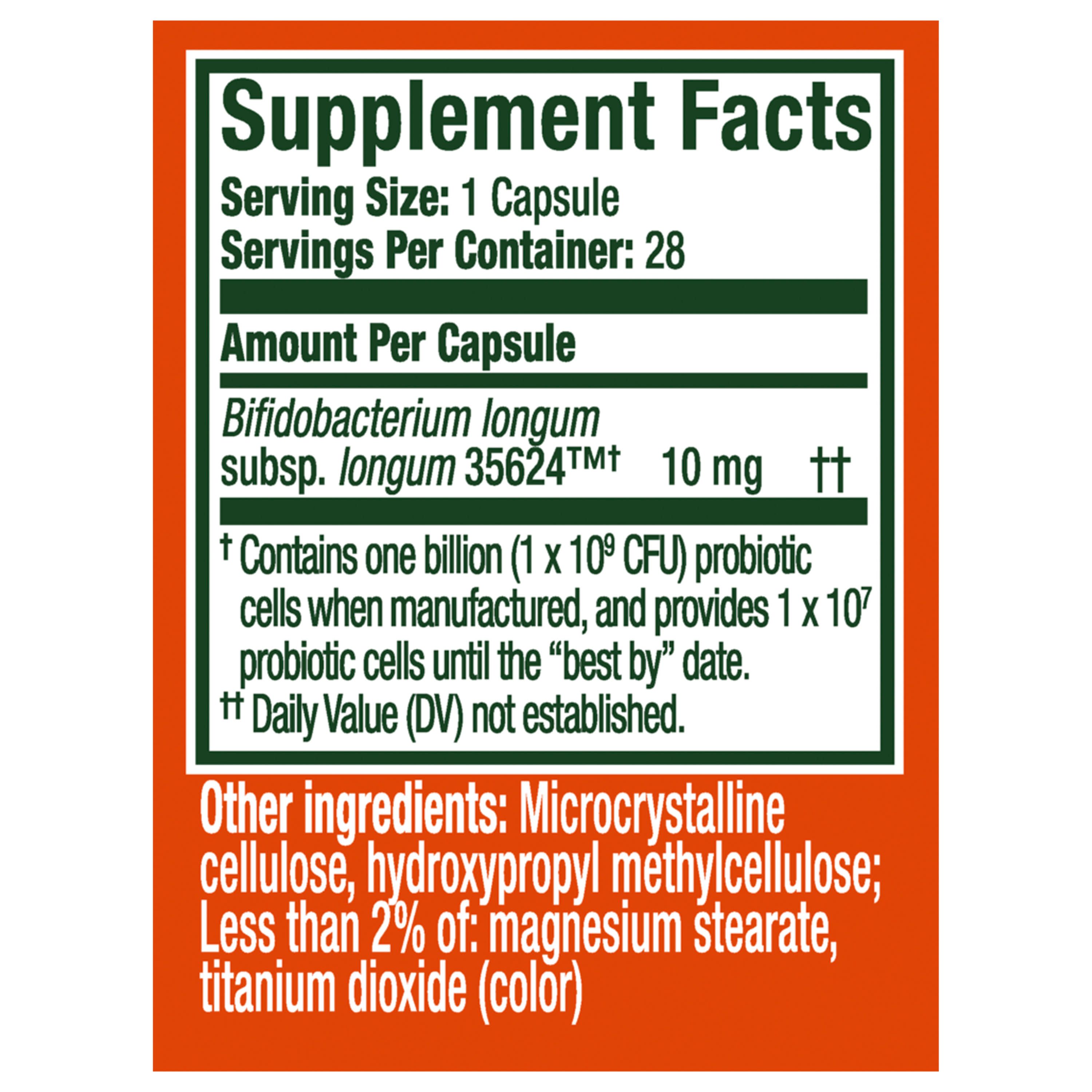
Our Align review, for example, identifies a 28-serving public label image even though the store presents other package counts. The ingredient and count record is not permission to assume that every retail package looks identical. Keep the actual package as the reference for the purchase.
Check that a storage statement belongs to the supplement itself. Shipping promotions, return policies and a retailer's general warehouse description answer different questions. None independently verifies the conditions experienced by one bottle during transit.
Four reviewed products give different instructions
CoreAge's GLP-1 Support page says to refrigerate after opening. Pendulum's GLP-1 Probiotic label says to refrigerate for optimal quality. These are manufacturer directions, and the wording is not identical. The CoreAge review and Pendulum review retain those distinctions.
Align's standard 24/7 Digestive Support capsule is described as requiring no refrigeration. The company advises retaining the capsules in their protective bottle until use. Florastor's standard adult Dual Action product has a different statement again: keep it at room temperature and do not refrigerate. Our Florastor review covers that version specifically.
It would be unhelpful to average these directions into a single recommendation. Product formulation, packaging and the manufacturer's stability work can differ. A shopper should resolve a conflict with the seller or manufacturer rather than transferring the strictest-sounding instruction from one formula to another.
A warm delivery creates a question, not a lab result
A parcel may feel warm when opened. That observation does not tell an online reviewer its complete temperature history, exposure duration or remaining viable-organism amount. It also does not prove that a product is unaffected. Those are questions that require information specific to the formulation and shipment.
Keep the packaging and contact the seller with the product name, lot, arrival date and what was observed. Ask what the manufacturer considers an acceptable handling condition for that exact item and what remedy applies if the delivery falls outside it. We have not independently tested temperature excursions for the reviewed products.
Do not rely on a broad claim that a capsule is shelf-stable if the current label gives a different instruction. Equally, do not assume that an item shipped without ice packs has failed a requirement that the manufacturer never made. The useful task is to obtain the applicable statement and document the response.
The date beside the count changes its meaning
A probiotic count at manufacture is not the same as a count guaranteed through a best-by date. The distinction is visible on Align's reviewed panel. When a seller emphasizes a number, ask which point in the product's life it describes and under which storage conditions the statement applies.
The CFU, AFU and milligram guide explains the measurement side. Storage does not solve a missing unit or unidentified strain, and a detailed count does not solve an unclear expiry date. These are separate parts of the same record.
A nearby date should not be interpreted from an unreadable photo or an unfamiliar code. Ask the manufacturer whether the marking is a lot, manufacture date or expiry statement. A retailer's listing update date is not the capsule's production date, just as this article's access date is not a product stability-test date.
Travel and containers deserve their own check
Moving capsules to a travel organizer may change their protection from moisture or light. Rather than assuming every organizer is equivalent to the original packaging, look for product-specific guidance. Align explicitly recommends keeping capsules in the bottle until use; that is a useful instruction to preserve when planning travel.
If refrigeration is recommended, ask how the manufacturer advises handling the relevant trip and destination. Do not invent a universal number of hours that applies to all probiotics. This publication has not established a validated travel allowance or a replacement procedure for a temperature-exposed bottle.
A hotel refrigerator or another storage arrangement does not replace a clinician's suitability assessment. Readers with severe illness, immune compromise or medical devices such as central lines should address the product question with their care team. Our safety guide explains why handling and eligibility are different concerns.
Keep an order record that answers the practical question
A simple record can include the product page checked, the order confirmation, the delivered label and any response about storage. That is enough to help compare what was advertised with what arrived. There is no need to upload health information to this site or to use a product review as a place to store private medical records.
Our label lexicon explains terms such as best-by date and count at manufacture, while the comparison keeps the products distinct. A clear record cannot measure a bottle's viability, but it can prevent an instruction from another brand or an old package from quietly taking its place.
The Visbiome capsule review adds a refrigerated medical-food example with an unopened best-by potency condition. Its room-temperature allowance and shipping sensor do not establish the condition of a parcel we have not inspected.
Sources & reading limits
Access dates appear with each source. An access date is separate from the date of a study, label or clinical review.
- CoreAge Rx — GLP-1 Support
Manufacturer product page. Accessed 2026-09-27. Public offer, species and prebiotic ingredient statements. Complete current panel, strain identifiers and viable-organism amount were not established. Commercial source; no independent product test.
- Pendulum — GLP-1 Probiotic facts image
Manufacturer label image. Accessed 2026-09-26. Visually inspected: 500 million AFU blend, two named strain codes, B. infantis without code, 211 mg chicory inulin, 30 one-capsule servings. Does not establish a per-strain amount or CFU equivalence.
- Align — how to take and store the standard capsule
Manufacturer guidance. Accessed 2026-09-26. Manufacturer count-date and storage statements. Descriptions of effectiveness or timing are commercial claims, not personal advice.
- Align — 28-serving facts image
Manufacturer-linked label image. Accessed 2026-09-26. Visually inspected B. longum subsp. longum 35624, 10 mg, one billion CFU at manufacture and ten million cells through best-by. Image describes 28 servings, not all retail counts.
- Florastor — standard adult Dual Action
Manufacturer product page. Accessed 2026-09-26. US adult standard formula and rendered package prices checked. Different Florastor products are separate. Checkout, delivery and returns untested.
- Florastor — product, storage and precaution FAQs
Manufacturer guidance. Accessed 2026-09-26. 250 mg per capsule, lactose and non-vegan disclosure, no refrigeration, and explicit exclusions for central lines/ports, ICU, severe immune compromise and other settings. No universal allergy or interaction clearance.
- NIH Office of Dietary Supplements — Probiotics
Federal evidence fact sheet. Accessed 2026-09-27. Strain-specific evidence, label counts, shelf-life and safety context. General review; not endorsement or testing of the retail products.
- NCCIH — Probiotics: Usefulness and Safety
Federal health resource. Accessed 2026-09-27. Evidence limitations and greater potential risk in severe illness or compromised immunity. Access date does not update the underlying studies.